
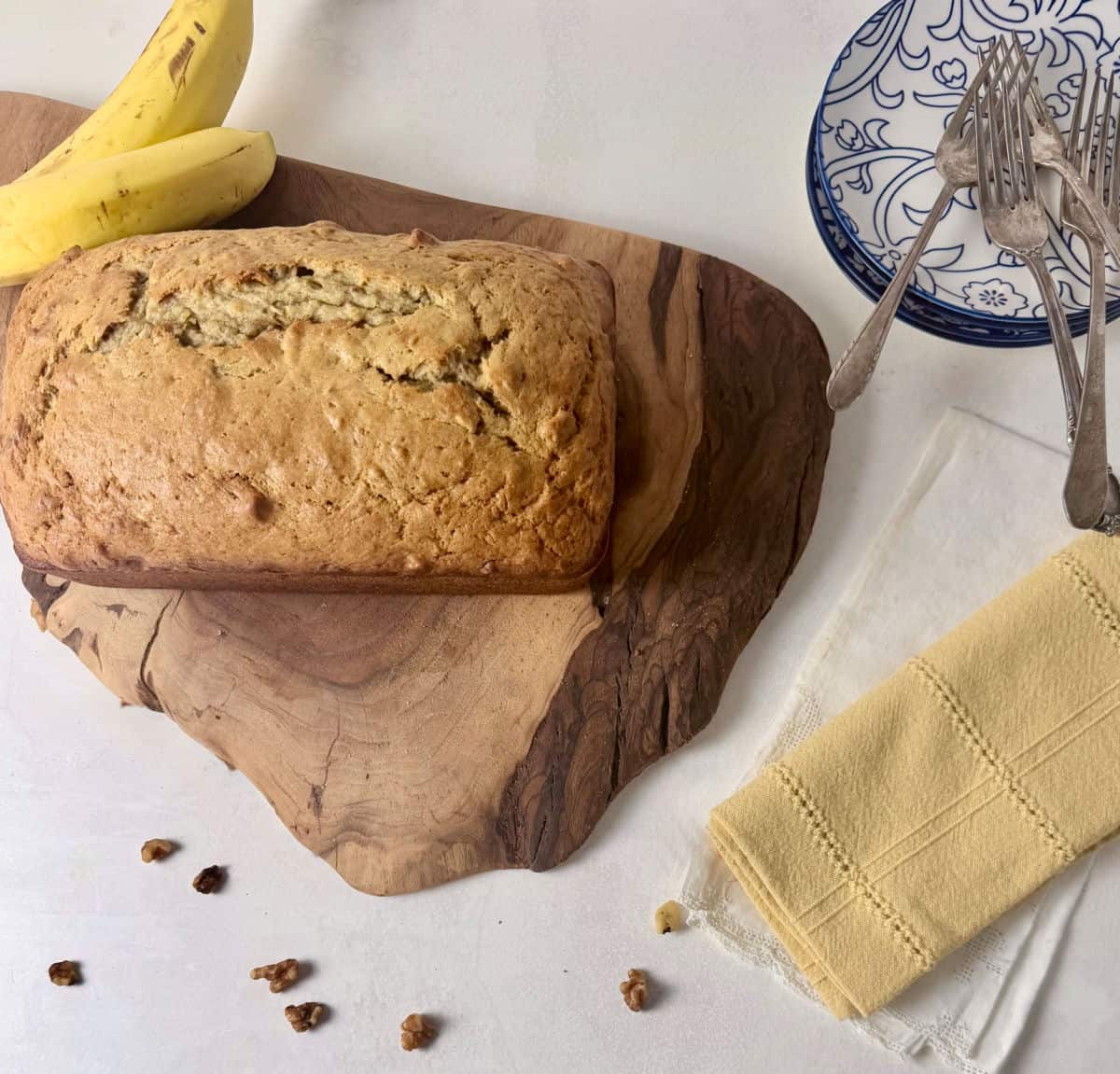
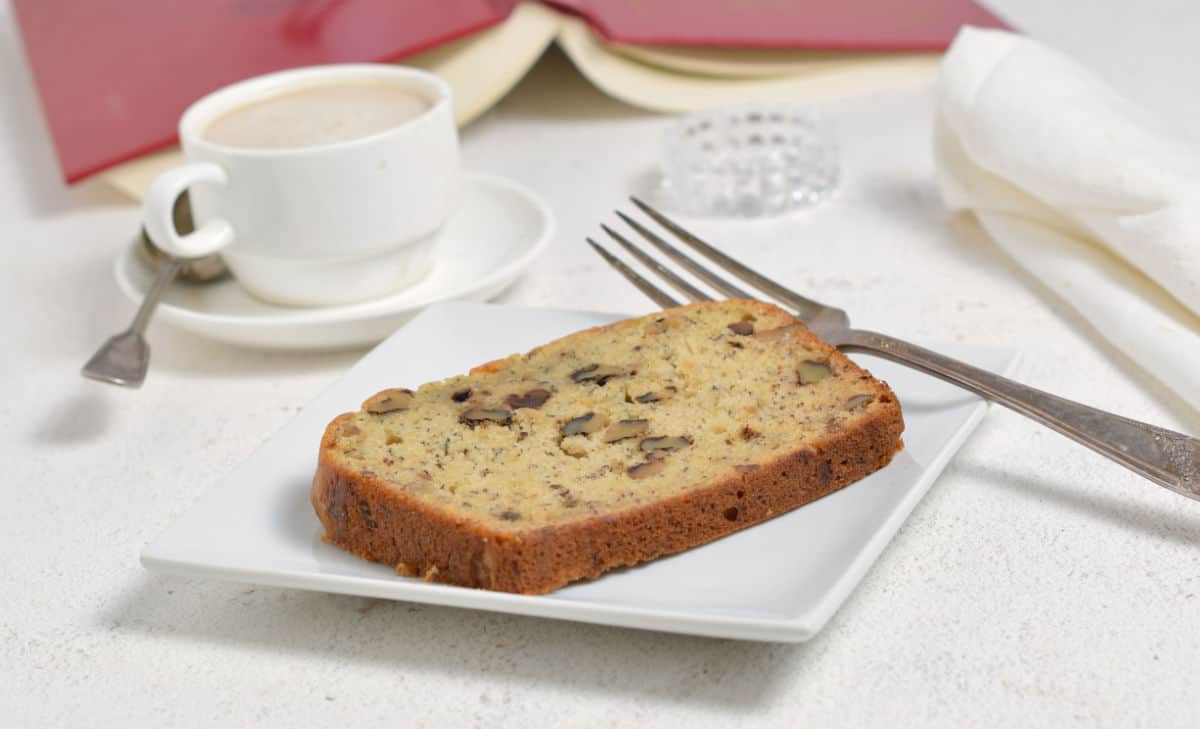
Moist and tender, Lindy’s Old-Fashioned Banana Bread with Buttermilk is the classic banana bread I’ve made since the 1970s—rich with ripe banana flavor and simple, reliable goodness.
Why You'll Love Lindy's old-fashioned Banana Bread
A tried-and-true family favorite - This recipe has been making delicious banana bread for decades, proving that some classics never go out of style.
Moist and tender every time - Very ripe bananas and buttermilk create a soft, flavorful loaf that stays moist for days.
Made with simple pantry ingredients - No fancy ingredients required. Chances are you already have everything you need in your kitchen.
The perfect use for overripe bananas - When those bananas on the counter have gone from yellow to speckled brown, this recipe turns them into something everyone will be happy to eat.
Versatile and freezer-friendly - Bake it as a loaf, mini loaves, or muffins. It freezes beautifully, making it perfect for gifting, snacking, and quick breakfasts.
The inspiration
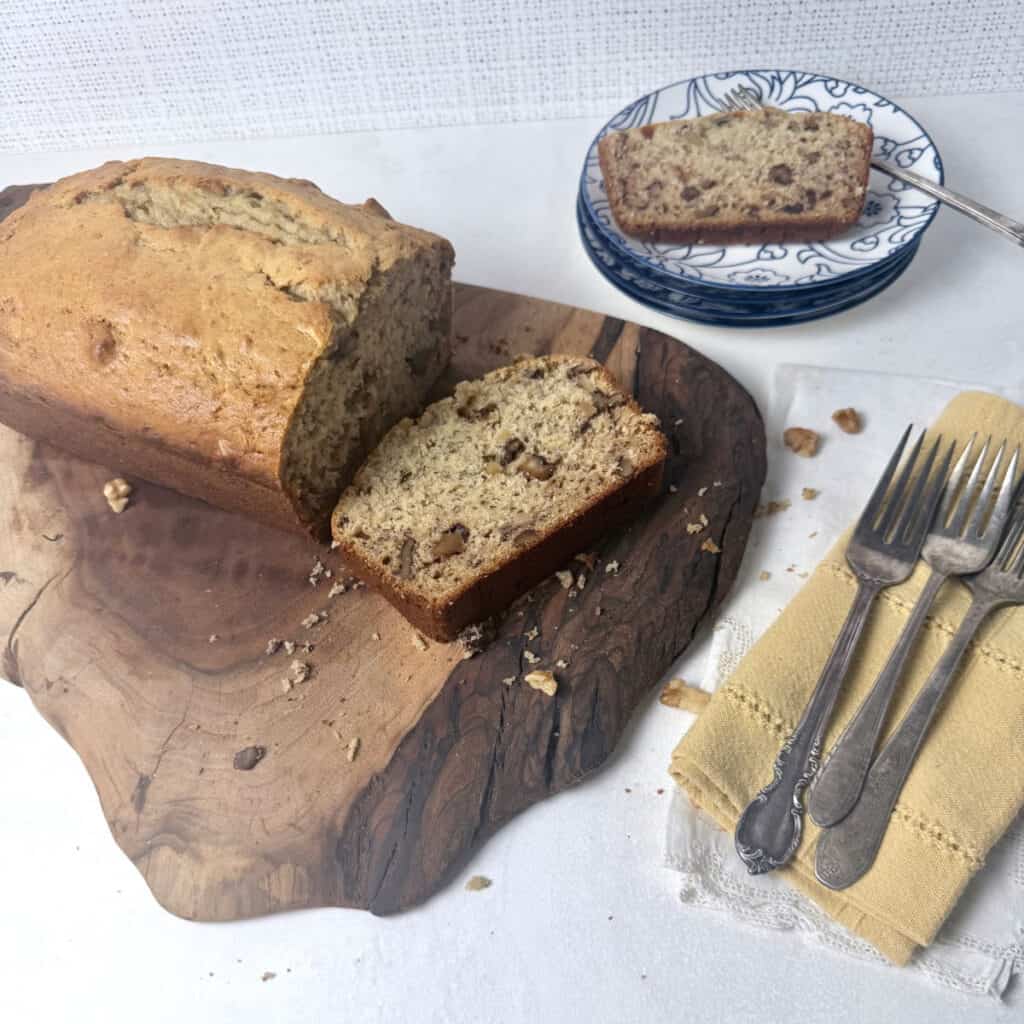
This recipe for Lindy’s Old-Fashioned Banana Bread with buttermilk has been in my kitchen since the 1970s, when my friend Ellen, whose banana bread I loved, gave me the recipe she had passed down from her mother. Don’t you just love recipes that are handed down?
After all these years—and all the newer banana bread recipes I’ve tried—this is still one I come back to. It is simple, moist, and just plain good.
Jump to:
Lindy's Old-Fashioned Banana Bread with Buttermilk
Ingredients
- 1 cup sugar (200g)
- ½ cup butter (113g) softened
- 2 large eggs
- 1 ½ cups mashed very ripe bananas 3 to 4 medium (approximately 340g)
- ½ cup buttermilk
- 1 teaspoon vanilla
- 2 ½ cups all-purpose flour (300g) spooned and leveled
- 1 teaspoon baking soda
- 1 teaspoon salt
- 1 cup toasted chopped pecans or walnuts optional
Instructions
Prepare Oven and Pan
- Position a rack in the lower third of your oven and heat to 350°F (175°C). Grease the bottom of a 9 × 5 × 3-inch loaf pan.
Cream the Butter and Sugar
- In a large bowl, beat the softened butter and sugar with an electric mixer until light and fluffy. Softened butter blends easily; it should give slightly when pressed but still hold its shape.
Add the Wet Ingredients
- Beat in the eggs, then add the mashed bananas, buttermilk, and vanilla. Mix until combined. Very ripe bananas give the bread its best flavor—the more brown spots, the better.
Gently Stir in the Dry Ingredients
- Whisk together the flour, baking soda, and salt in a separate bowl. Add to the banana mixture and stir just until the flour is moistened. Fold in the nuts, if using. Stop once there are no dry streaks; overmixing can make the bread tough.
Bake Until Done
- Pour the batter into the prepared pan and smooth the top. Bake for 50–60 minutes, until a toothpick inserted into the center comes out clean or with a few moist crumbs. If the top is browning before the center is done, loosely tent it with foil.
Cool Before Slicing
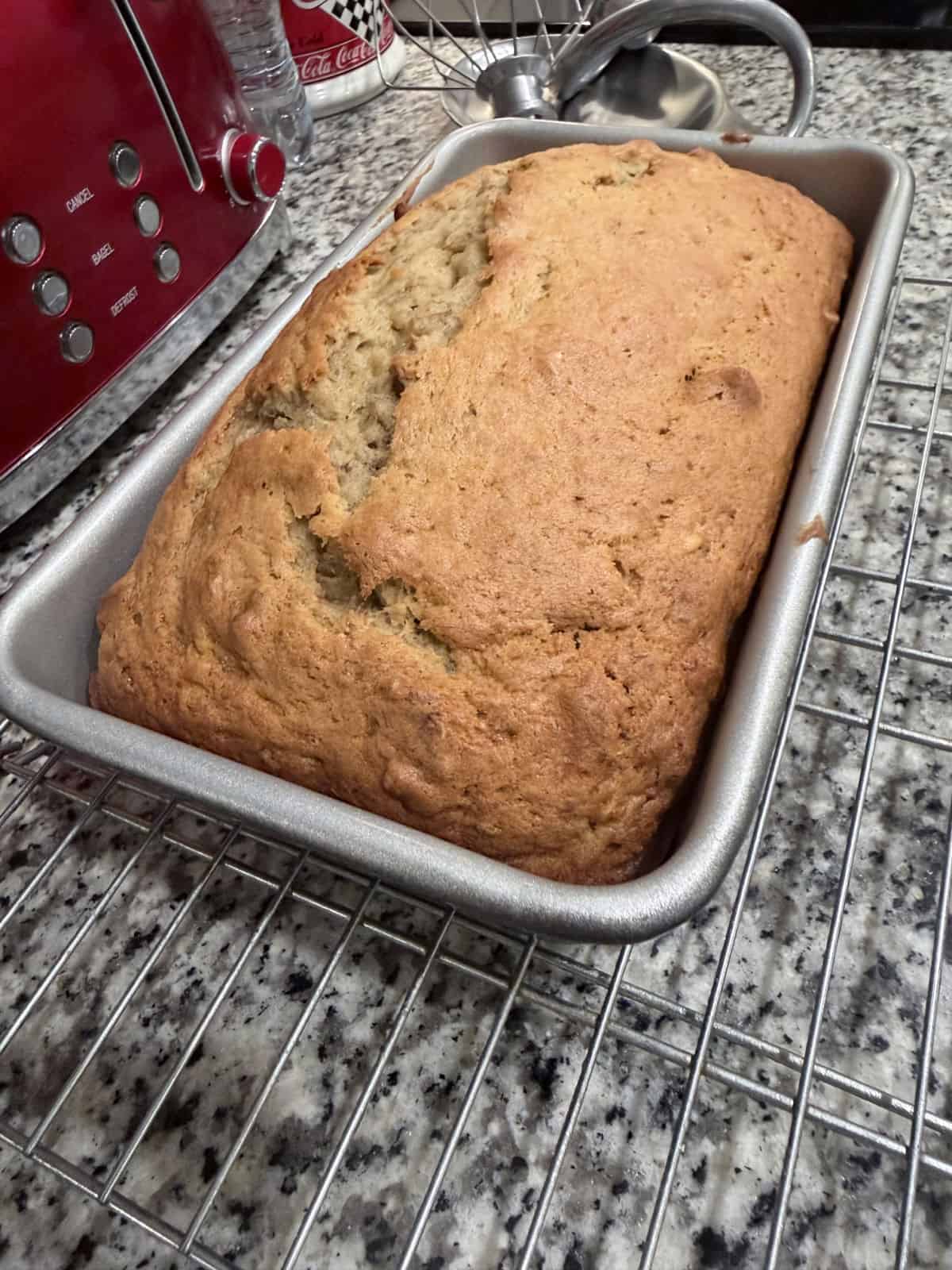
- Let the bread cool in the pan for 10 minutes, then loosen the edges and turn it out onto a wire rack. Cool completely before slicing for the cleanest cuts, or wrapping for storage.
Notes
Ingredients and Why They Matter
Very ripe bananas
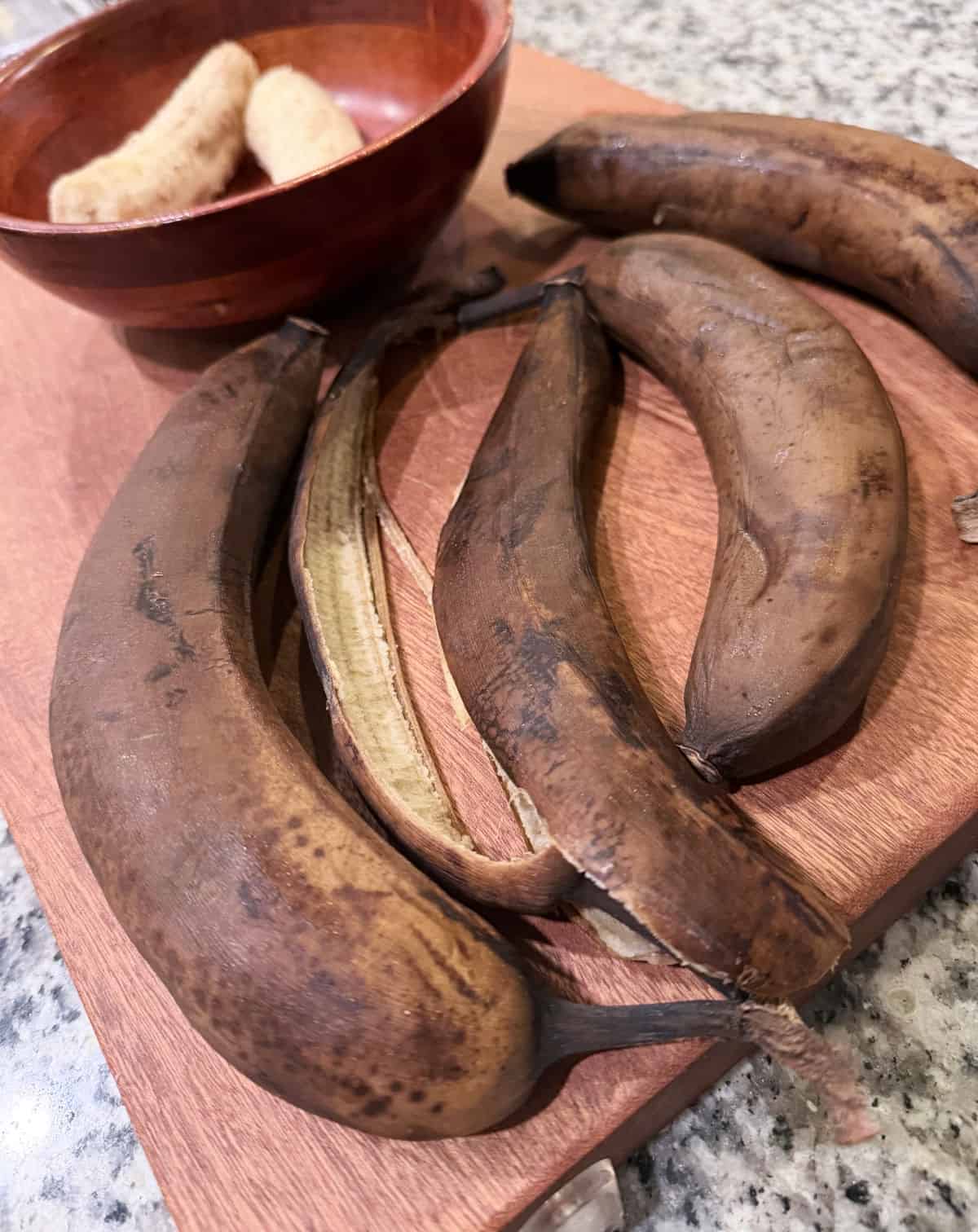
Use bananas with heavily spotted, even nearly black peels. They are sweeter, softer, and easier to mash, giving the bread its banana flavor and moist texture. Measure 1½ cups mashed banana; banana sizes vary.
Buttermilk
Buttermilk adds moisture and a slight tang. Its acidity also reacts with the baking soda to help the loaf rise.
No buttermilk? Stir 1 teaspoon lemon juice or white vinegar into ½ cup milk. Let it stand for 5–10 minutes, then use it in the recipe.
Butter
Softened butter creams with the sugar to create a tender crumb. Let it sit at room temperature until it gives slightly when pressed, but is not melted.
Sugar
Sugar sweetens the bread and helps it stay moist. Extra-ripe bananas are naturally sweeter, so the finished loaf will taste less sweet if your bananas are only lightly spotted.
Baking soda
Baking soda provides the lift. Mix the batter and get it into the oven promptly once the dry ingredients have been added.
Nuts, optional
Chopped walnuts or pecans add texture and a little crunch. Leave them out for a traditional plain banana bread. Remember, always toast your nuts.
Baking Options
This batter works well as one standard loaf, mini loaves, or muffins. The pan you choose changes the baking time, crust-to-crumb ratio, and how quickly the bread cools.
Standard 9 × 5-Inch Loaf
This is the original version of the recipe. Bake at 350°F (175°C) for 50–60 minutes. The loaf has a soft, moist center with a thicker golden crust around the outside.
Start checking at 50 minutes. Oven temperatures may vary, so use the toothpick test rather than the clock alone.
Mini Loaves
Mini loaves make nice gifts and freeze especially well. Grease the bottoms of the pans and fill each about two-thirds full. Bake at 350°F (175°C) for about 25–35 minutes, depending on the pan size.
The smaller loaves bake more quickly and have more crust in every slice. Begin checking at 25 minutes.
Banana Muffins
Line or grease a standard 12-cup muffin pan. Fill each cup about two-thirds full and bake at 350°F (175°C) for 18–22 minutes.
Muffins are the quickest option and are convenient for freezing one or two portions at a time. This batter should make approximately 18 standard muffins.
Glass, Ceramic, and Metal Pans
A light-colored metal loaf pan is the most predictable choice. Glass and ceramic pans retain heat, so the edges and bottom may brown more quickly after the bread comes out of the oven. If using either one, begin checking for doneness at the early end of the baking range.
Dark-coated metal pans can also brown the crust faster. If yours usually runs dark, reduce the oven temperature by 25°F (about 15°C) or loosely cover the loaf with foil if needed.
Convection Oven
A convection oven circulates hot air, which can brown the bread sooner. Reduce the oven temperature to 325°F (165°C)and begin checking the loaf about 5–10 minutes early.
FAQs
Not usually. Bananas with black peels are often perfect for banana bread because they are sweeter and mash easily. Don’t use them if the flesh is moldy, leaking, smells fermented, or has insects.
Use 1½ cups mashed very ripe banana, about 3 to 4 medium bananas or 340 grams. Measure the mash rather than relying on the number of bananas, since their sizes vary quite a bit.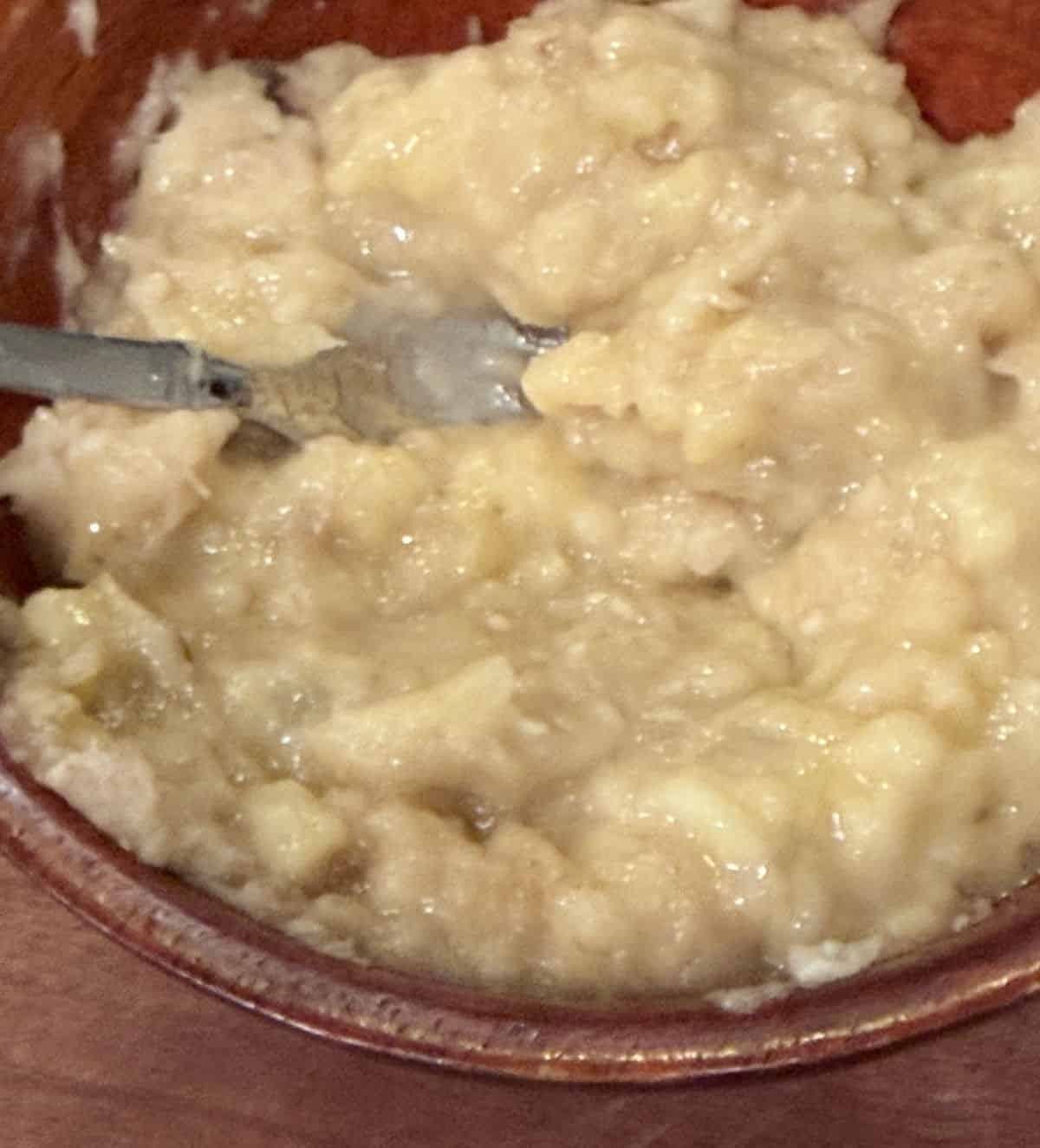
You can freeze mashed bananas or the finished banana bread, but I don’t recommend saving unbaked batter. Once the baking soda is mixed with the acidic buttermilk, it starts working right away, so the batter should be baked shortly after mixing.
To freeze bananas, mash and measure 1½-cup portions, then freeze in a freezer bag or container for up to 3 months. Thaw in the refrigerator and stir any separated liquid back into the mash before using.
If you want bread for later, bake the full batch as a loaf, mini loaves, or muffins. Cool completely, wrap well, and freeze for up to
3 months.
Absolutely. Simply leave them out. The bread is just as moist and flavorful without nuts.
ou can reduce the sugar to ¾ cup without a noticeable change in the bread’s texture. I would not reduce it much further, since sugar also helps keep banana bread moist and gives it that nicely browned top.
Cool the bread completely, then wrap it tightly in plastic wrap or place it in an airtight container. It will keep at room temperature for up to 3 days, or in the refrigerator for up to 1 week.
For longer storage, wrap the whole loaf or individual slices tightly and freeze for up to 3 months. Thaw while wrapped at room temperature.
More golden "Oldies"
Supermoist Carrot Cake with Creamy Frosting
Jodie Ann says
Baked a loaf of this banana bread this morning and it came out great! Mine took about an hour and five minutes total baking time. Delicious.
Linda Baker says
Thank you. Yes, sometimes the oldies are simply the best! Cheers ~ Lindy