
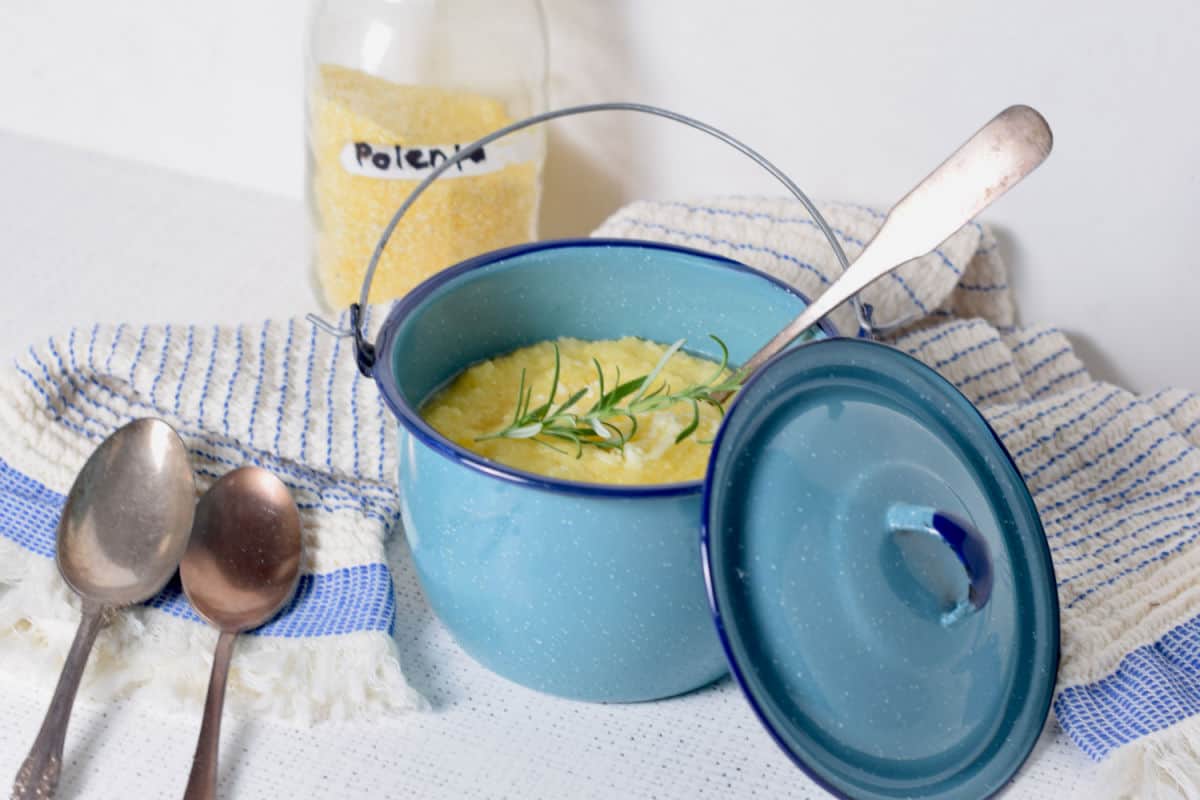
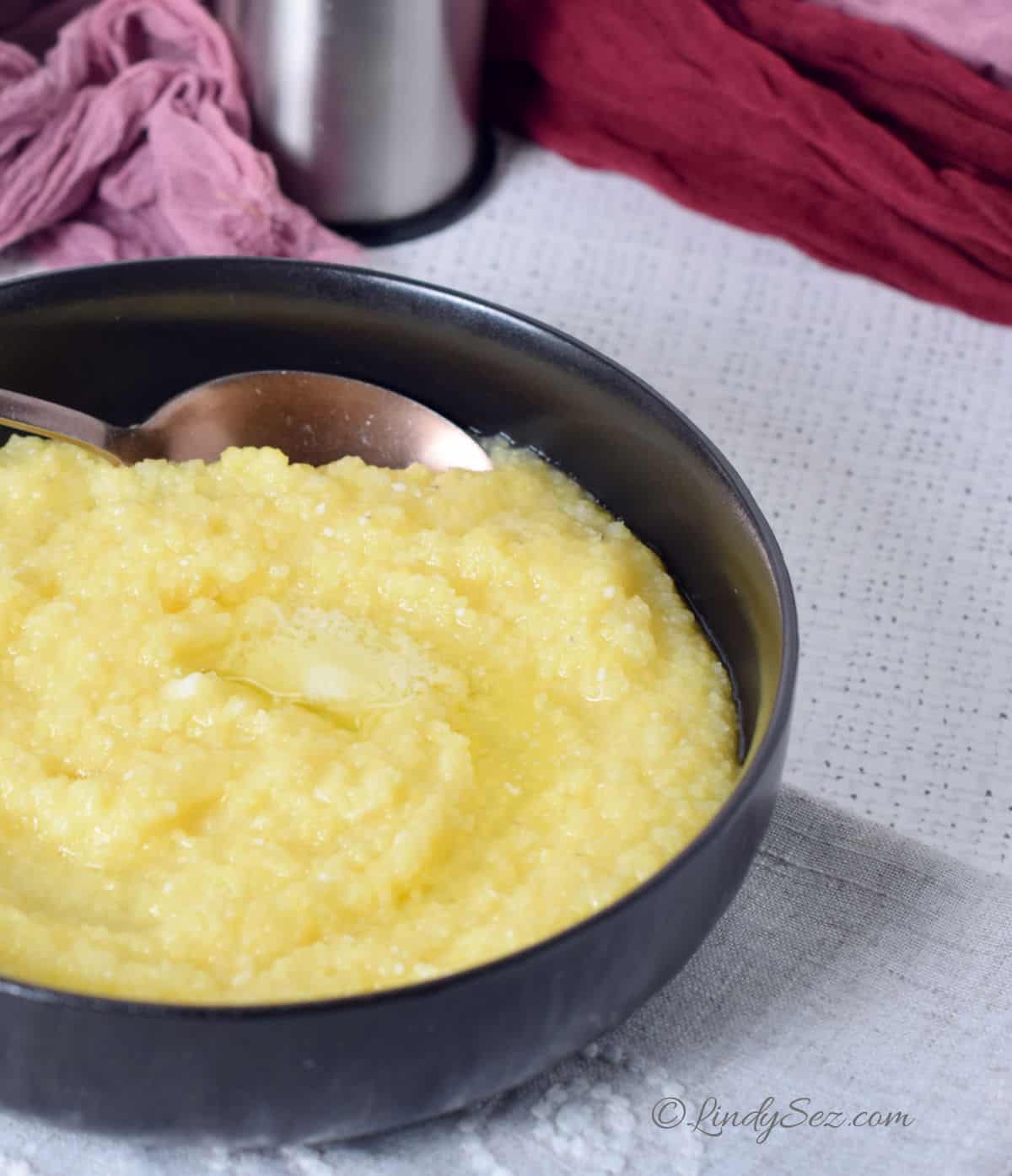
Oven polenta is the easiest way to get creamy, perfectly cooked polenta without standing at the stove. Hands-free, foolproof, and naturally gluten-free.
Why Make This Recipe
- Hands-free cooking – no stirring, no babysitting
- Creamy, perfect texture – no lumps, no stress
- Two-in-one recipe – serve soft or make firmer for layering
- Naturally gluten-free – simple, pantry-friendly ingredients
- Versatile side – works with seafood, meats, or vegetables
- Make-ahead friendly – chill, slice, and reheat or fry later
- Weeknight easy, company worthy – low effort, high payoff
A quick note on texture:
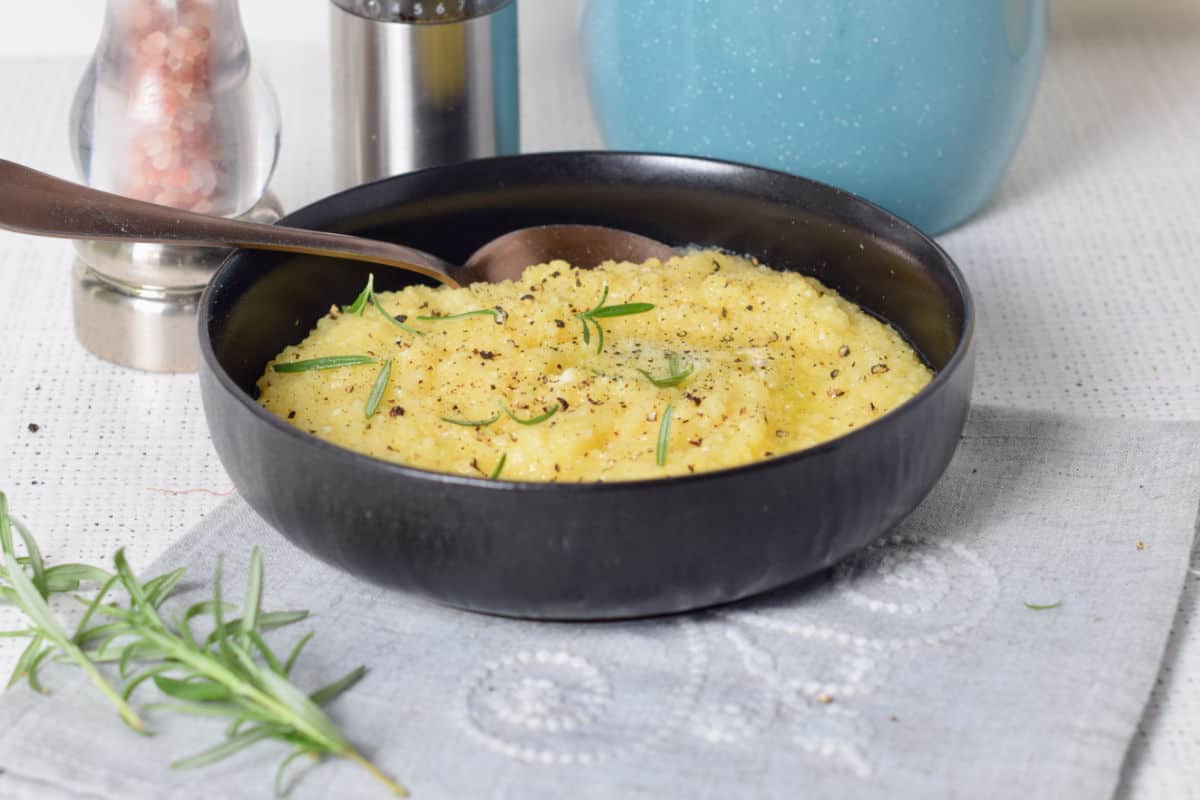
This recipe uses a 4:1 liquid-to-polenta ratio, which gives you a soft, creamy polenta when freshly made—perfect for serving right away.
If you’d like to make firmer polenta for layering, decrease the liquid to 3 ½:1, spread cooked polenta into a shallow baking pan, and refrigerate until firm. It will set up enough to cut and layer beautifully.
Jump to:
How This Recipe Came to Be
I’ve never been a fan of recipes that demand you stand at the stove and stir… and stir… and stir some more.
Cooking coarse-grind polenta has always been one of those. Delicious? Absolutely. Worth standing there like you’re guarding it? Not so much.
That’s when I started thinking about my no-stir risotto in the pressure cooker… and even my oven-baked spaghetti sauce. Same idea every time: take something that usually needs constant attention and figure out how to make it easier without losing what makes it good.
So I asked the obvious question:
What happens if I just put polenta in the oven and let it do its thing?
Turns out… exactly what you want.
The gentle, even heat lets the polenta slowly absorb the liquid, so no lumps, no “rain of cornmeal,” no frantic whisking. Just one stir at the end, and it comes out creamy, smooth, and perfectly cooked.
It felt a little like getting away with something the first time I made it.
Now? It’s the only way I make polenta.
Hands-Free Oven Polenta
Equipment
- 2 Quart Pot with Lid
Ingredients
- 1 cup coarse-ground polenta not fine cornmeal or instant polenta
- 4 cups water
- Kosher Salt and Freshly Ground Pepper to taste
- 2 tablespoons butter 1 tablespoon butter and 1 tablespoon extra virgin olive oil
- 2 ounces grated Parmesan or Romano cheese optional
Instructions
Heat the Oven
- Heat the oven to 350ºF (176.6C).
Combine the Ingredients
- In a 2-quart baking dish, combine the polenta, water, salt, and pepper, and stir well.
Bake Covered
- Cover and bake for 40 minutes.
Add the Cheese
- Remove from oven and stir in the cheese.
Finish Uncovered
- Return to the oven and bake, uncovered, 10 minutes more.
Stir and Serve
- Give a good stir, taste and adjust for salt. Serve.
Notes
Ingredient Note (polenta vs cornmeal)
For best results, use coarse-ground polenta. Texture may vary with other Polenta grinds. One good stir at the end = creamy, no lumps Want it firmer? Change the water to Polenta ratio to 3 ½: 1. Pour into a shallow baking dish that has been sprayed with non-stick cooking spray, and chill until firm. Slice and layer or fry.Nutrition
“Make it creamy tonight…slice it for tomorrow and enjoy a completely different texture.”
Ingredients (and Why They Matter)
- Coarse-ground polenta
This is key. Coarse grind gives you that creamy texture with a little body. Fine cornmeal turns pasty, and instant just doesn’t have the same flavor or bite. - Water
Nothing fancy here. Polenta is all about the corn flavor, so water keeps it clean and lets everything else shine. - Kosher salt
Polenta needs proper seasoning or it tastes flat. Salt early so it cooks into the grains, not just on top. - Butter (or butter + olive oil)
This is where the richness comes from. Butter adds flavor, the oil keeps it a little more heart-healthy, and both help with a smooth finish. - Parmesan or Romano cheese
Salty, nutty, and just enough to deepen the flavor. It melts in at the end and brings everything together. - Freshly ground black pepper
A small thing that makes a difference. Adds a little warmth and balances the richness.
Tips for Success
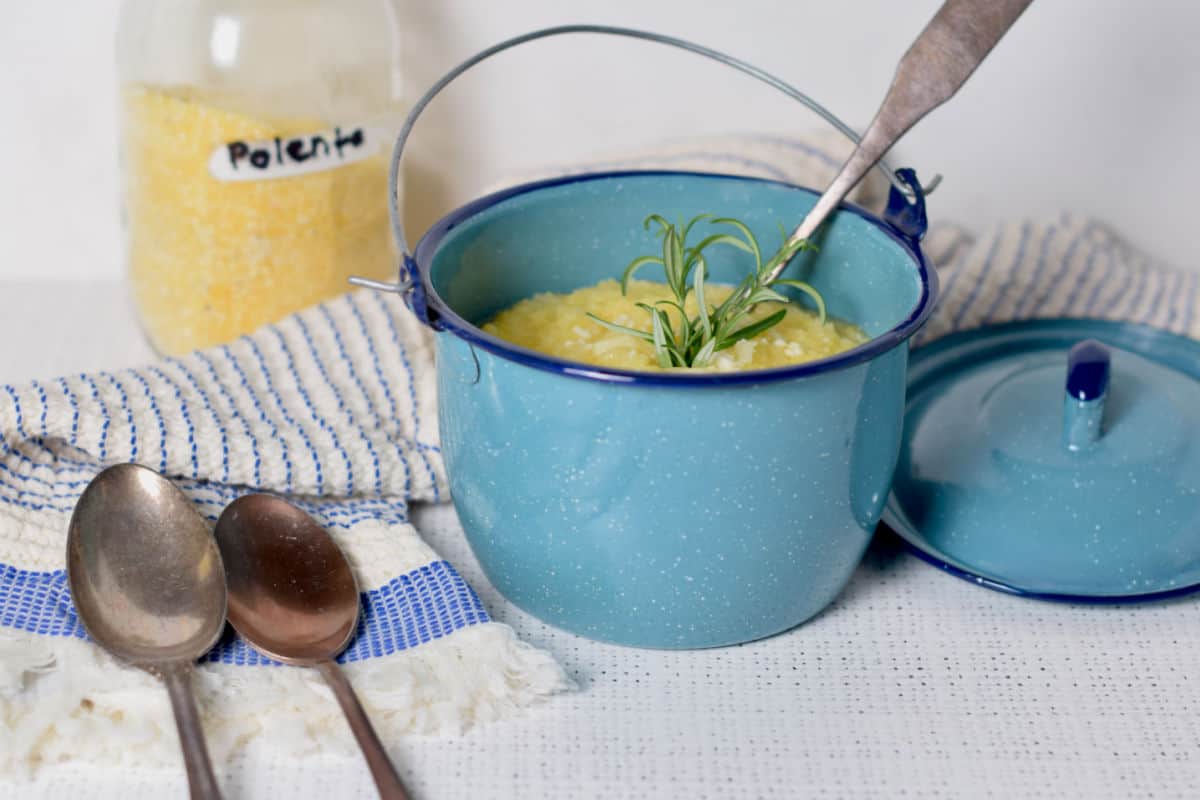
Use a tight-fitting lid - This is the big one. You want to trap the steam so the polenta cooks evenly. If your lid is loose, cover tightly with foil before adding the lid.
Choose the right dish - A 2-quart baking dish or small Dutch oven works best. Too large and shallow = liquid evaporates too quickly.
Give it a good stir at the start - Make sure the polenta is fully dispersed before it goes into the oven to prevent clumping.
Don’t skip the mid-bake stir (when adding cheese) - That one stir is all it needs to finish smooth and creamy.
Season properly - Polenta can taste flat if under-seasoned. Taste at the end and adjust salt and pepper.
Watch your liquid ratio - Stick close to 4:1 liquid to polenta for creamy results. Too little liquid = stiff, too much = loose.
Let it sit a minute before serving - polenta thickens slightly as it rests and becomes perfectly spoonable.
Two textures, one recipe – Fresh polenta will be soft and creamy. Chilled polenta firms up and can be cut for layering or pan-frying.
FAQs
Great question—polenta and grits are cousins, but they don’t behave exactly the same in the oven.
Using Grits Instead of Polenta
Liquid ratio
Grits usually need a bit more hydration.
👉 Go 4½ to 5 cups liquid per 1 cup grits
(stone-ground grits lean toward the higher end)
Cooking time
They can take a little longer to soften.
👉 Plan 45–60 minutes covered, then finish uncovered
Stir once or twice more
Grits can clump more than polenta.
👉 Give them a stir at the halfway point and when adding cheese
Texture check
Grits tend to be a bit looser and creamier when done.
👉 If too thick, stir in a splash of hot water or milk at the end
Flavor tweak (worth it)
Grits love a little richness
👉 Swap part of the water for milk or stock for more depth
Salt matters even more
Grits can taste bland if under-seasoned
👉 Season the liquid well from the start
Quick takeaway
Use more liquid, a little more time, and one extra stir, and you’ll get the same hands-free magic—just with a softer, creamier Southern lean.
Absolutely…this is polenta, not a contract 😄
Parmesan and Romano are classic, but you’ve got room to play.
Cheese Options (and what they bring)
Asiago (aged)
Similar vibe to Parmesan—nutty, salty, melts nicely
Pecorino
Sharper, saltier, a little more punch (use a bit less)
Fontina
Melty, buttery, gives you a richer, silkier finish
Gruyère
Slightly sweet, nutty, very smooth melt—great for a more luxurious feel
White Cheddar
Familiar, a little sharper, melts well (nice comfort-food twist)
Goat cheese
Tangy and creamy—stir in at the end for a softer, looser texture
Gorgonzola (or blue cheese)
Bold move—use a small amount for a savory kick
Quick tips
Stick with good melting cheeses or finely grated hard cheeses
Adjust salt depending on the cheese (some are much saltier)
Start light…you can always add more, but you can’t take it out
Yes. Make it, cool it, and refrigerate. Reheat with a splash of water, milk, or stock to loosen, or slice it and layer.
Add a little liquid and warm gently, stirring until creamy again. Polenta tightens up as it cools—this is normal.
Yes. Stock adds savory depth, milk adds richness. You can also do a mix. Just watch the salt if using stock.
Yes. Use olive oil instead of butter and skip the cheese or use a dairy-free alternative. Add a splash of stock for flavor.
If your baked polenta turns out too loose, it usually needs a bit more time in the oven. Continue baking for another 10–15 minutes until it thickens and sets.
A few things can cause softer polenta:
Slight variations in liquid measurements
Different grind or brand of cornmeal
The oven temperature is running a little low. If needed, slightly increase the oven temperature and continue cooking until the polenta is tender yet holds its shape.
Polenta should be soft, but not soupy.
Serving Suggestions
Think of soft, creamy polenta the same way you would mashed potatoes—it works with anything that has a little sauce or richness.
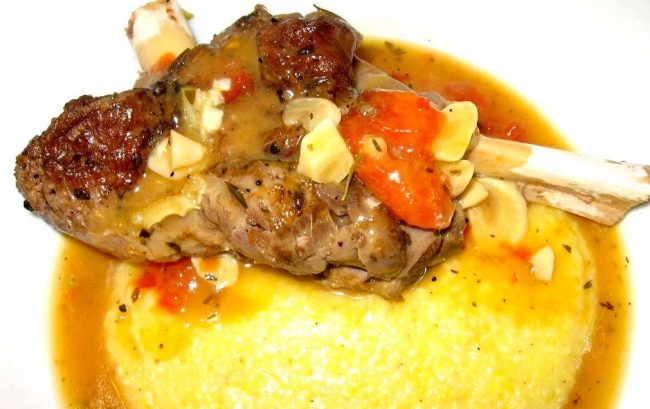
- With braised meats
Perfect under something like slow-braised lamb shanks—it soaks up every bit of that savory sauce. - With fish or seafood
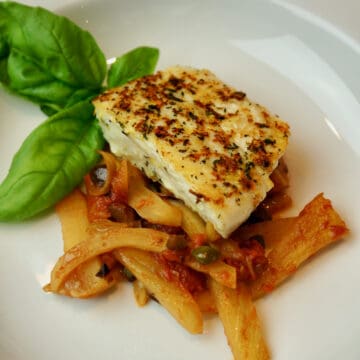
Try it with halibut. The creamy texture balances light, flaky fish beautifully. - With saucy dishes
Anything with a tomato, wine, or pan sauce loves a bed of polenta. - With vegetables
Roasted mushrooms, greens, or a simple vegetable sauté turn it into an easy meal.
Quick takeaway
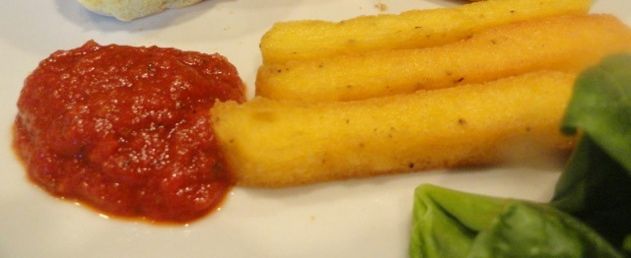
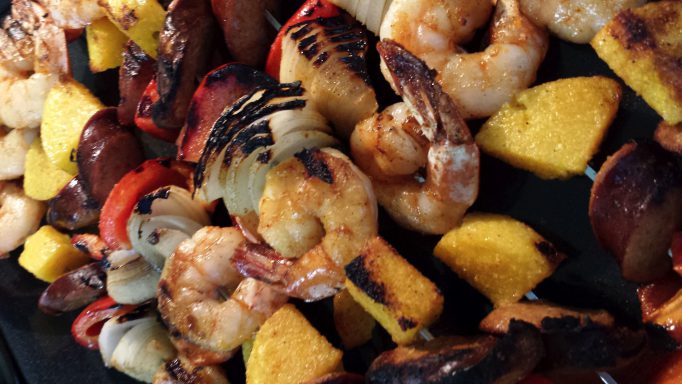
Soft and creamy like mashed potatoes…or crisp and golden the next day. One base, plenty of directions.
Thanks for Visiting, Please leave a comment on your experience.